01from €500
Web systems built around real work
Client portals, internal systems and web applications built around the way the business actually works.
 AXEVORA
AXEVORA builds web systems, automation and integrations for businesses that have become difficult to run through spreadsheets, manual steps and disconnected tools. We bring the work into one clear system, reduce unnecessary operations and restore control over the process.
Build a new system, automate manual work, connect existing services or bring an existing system back under control.
What the user sees, how the process works and where the data lives. Fixing only the interface leaves the underlying problem in place.
We remove manual transfers, unnecessary steps and the need for employees to constantly remember what happens next.
Tell us what is inconvenient today or what is getting in the way of the business. We will work out what technical solution is actually needed.
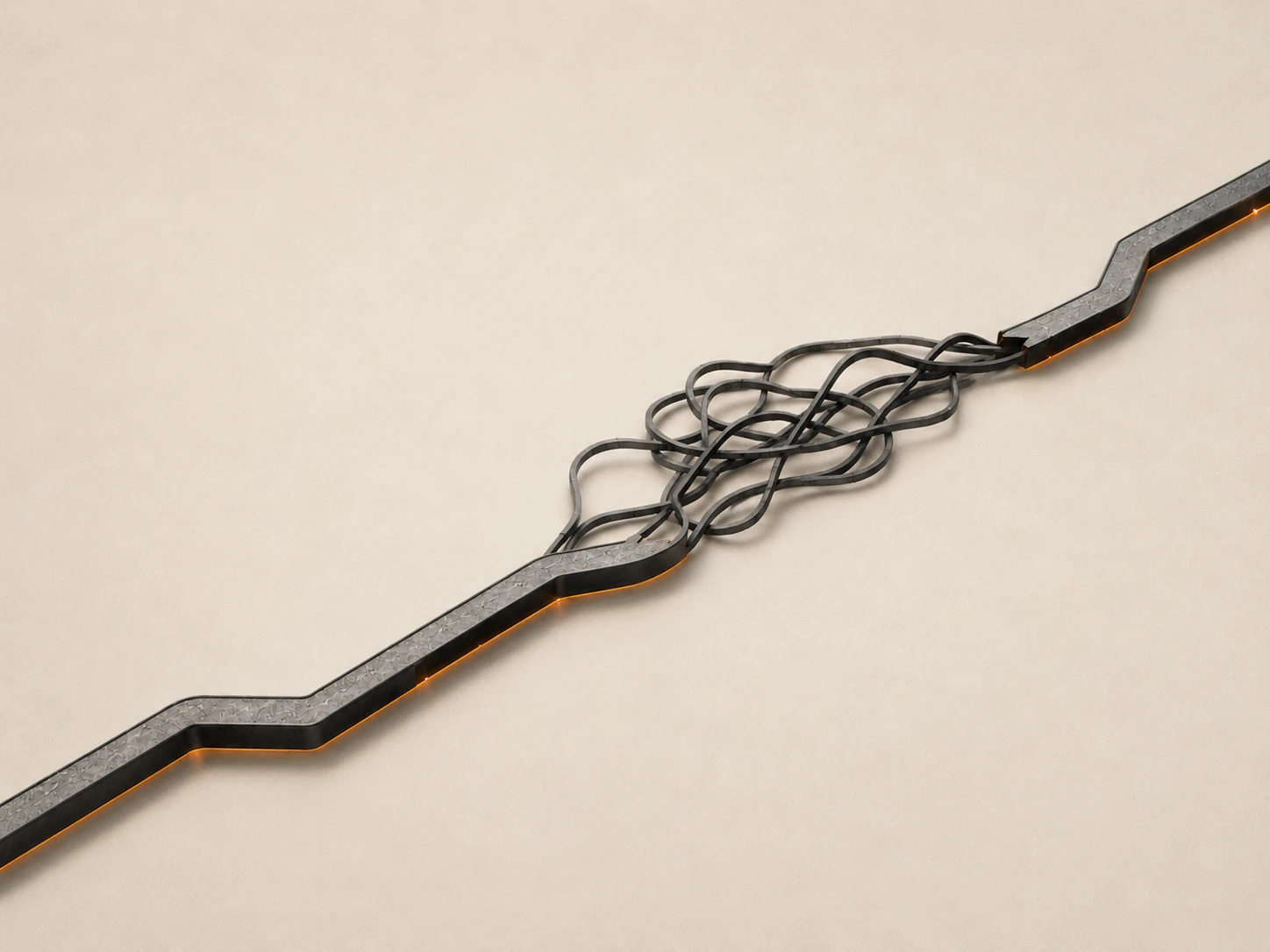
Part of the work happens in spreadsheets, part in messages, data is copied between services by hand, and some steps depend on employees who know how to work around the system.
When the volume is small, this can be manageable. As the business grows, it creates errors, delays and more manual work.
We turn that process into a clear, manageable system.Where people repeat the same steps, where data has to be moved between tools, and where the current system no longer copes. Then it becomes clear what actually needs to change.
We can build a new system, automate manual work, connect existing services or bring the current system back under control.
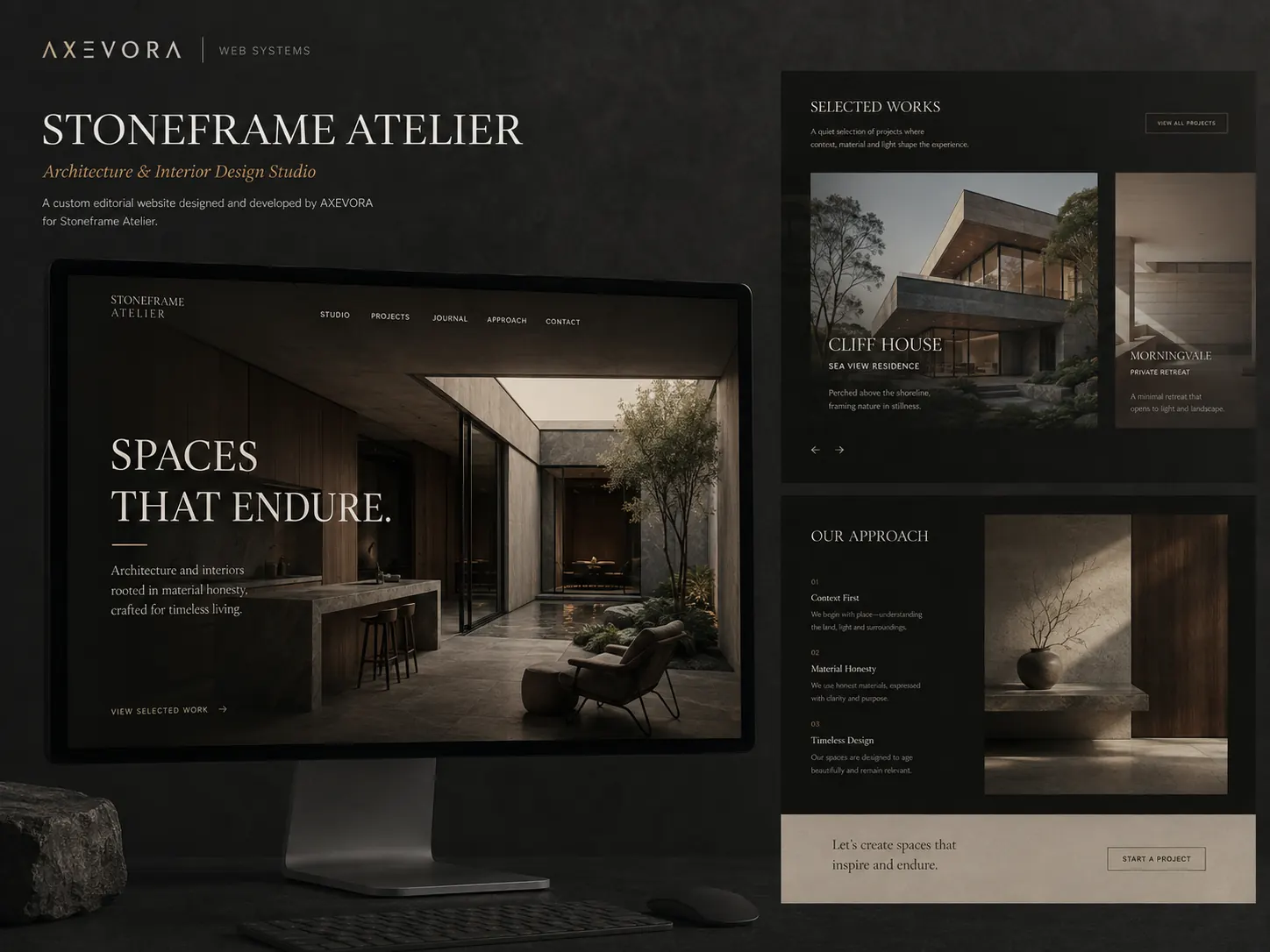
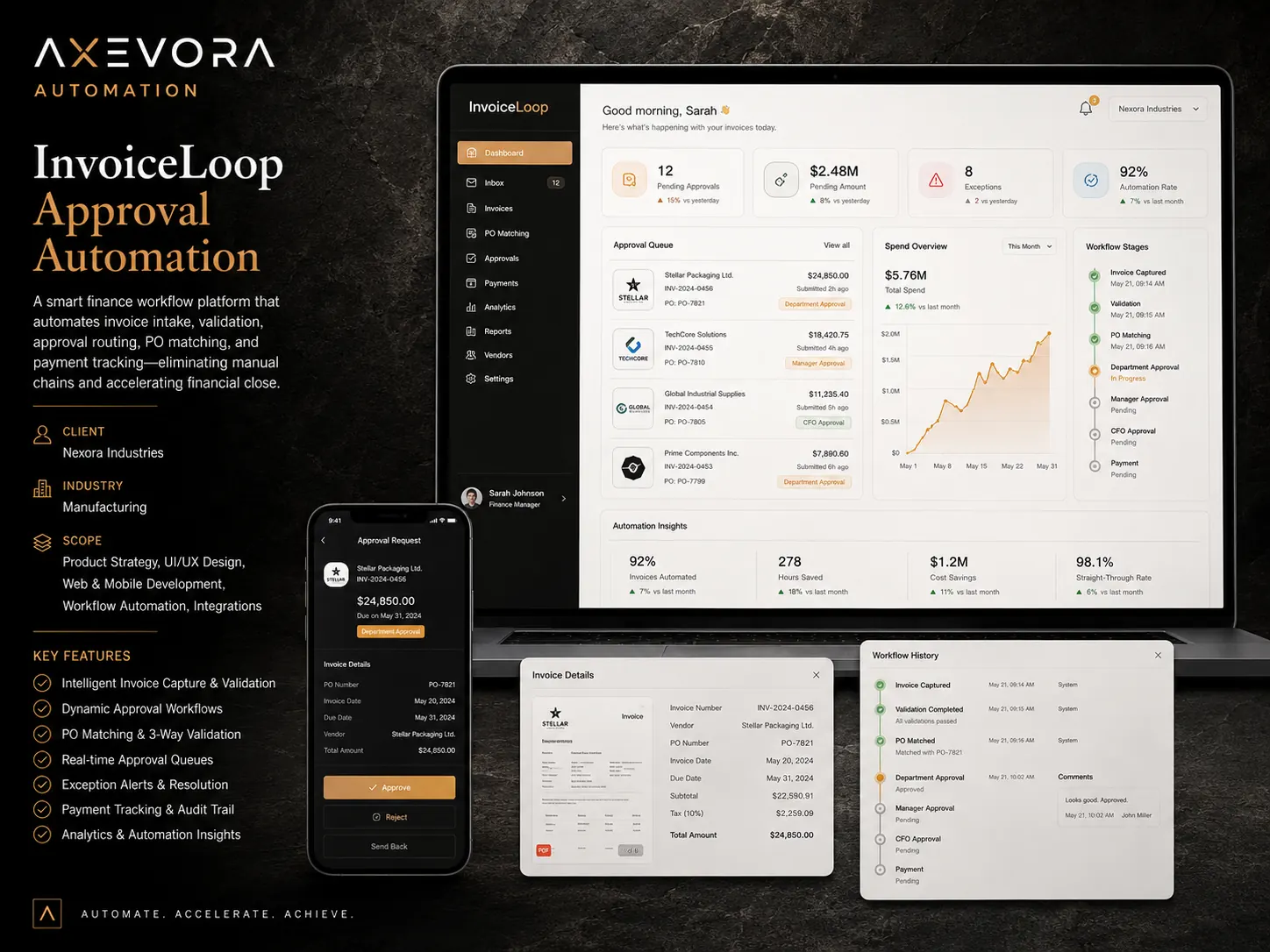
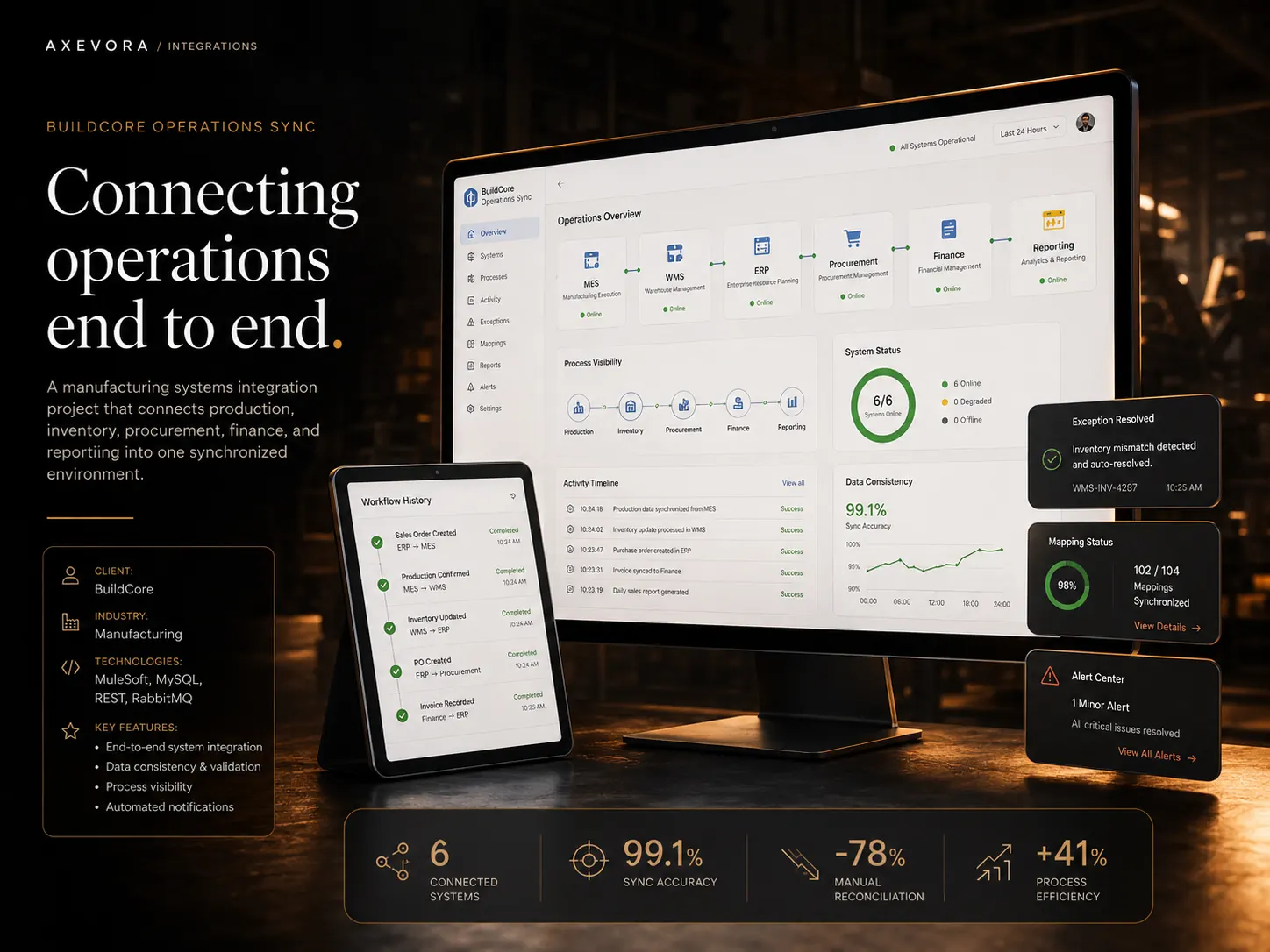
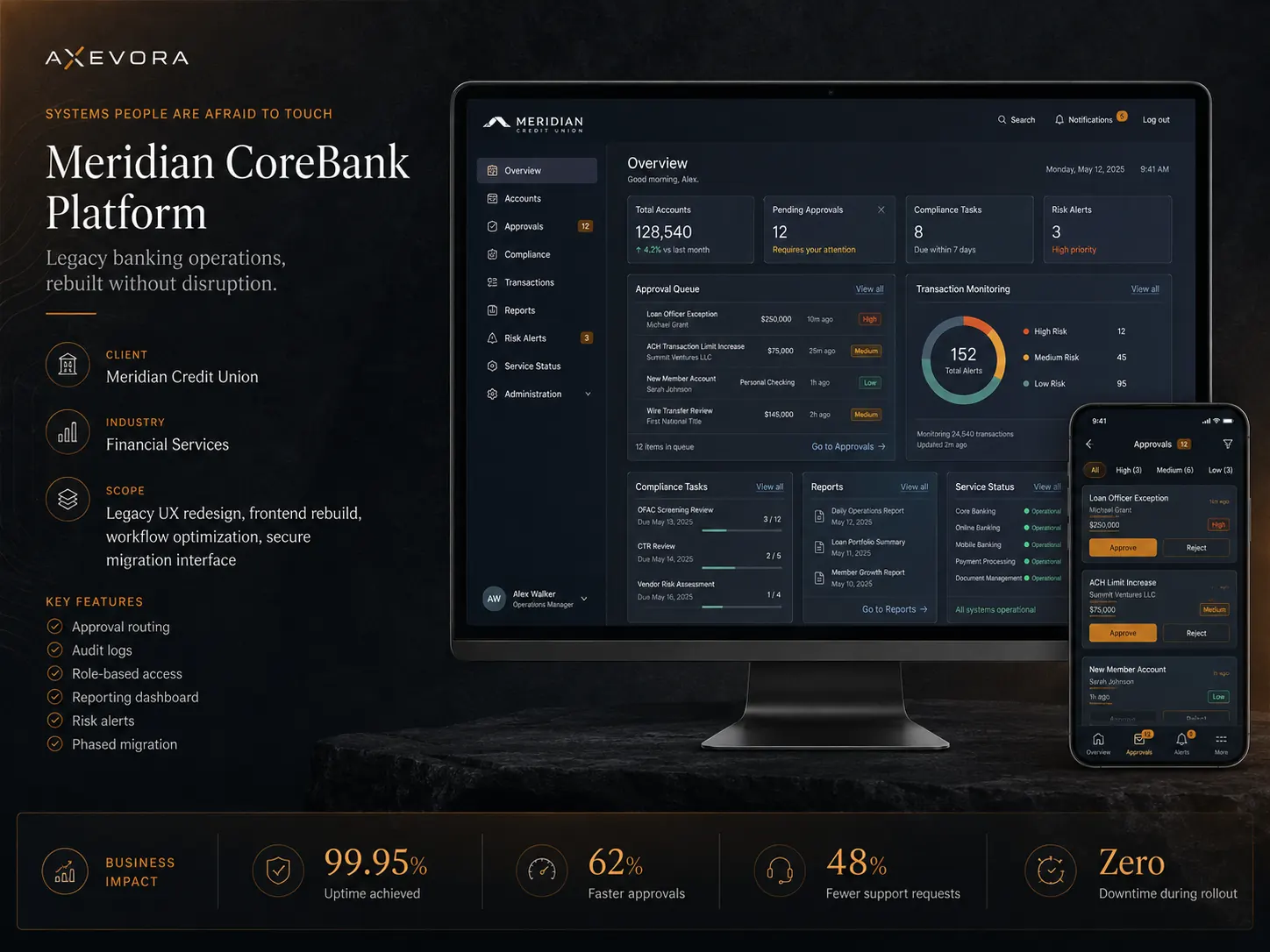
Client portals, internal systems and web applications built around the way the business actually works.
We automate repetitive actions, checks, notifications and data transfers.
We connect CRM, forms, databases and other services so data moves automatically.
We understand the existing system and fix critical areas without an unnecessary full replacement.
The problem is usually not the lack of another tool. It appears between the tools you already use: information has to be moved manually, one process is split across several systems, and part of the work depends on people who know the workarounds.
Before development, we first understand how the work is done today: what really needs to change, what can stay, and where development is not needed at all.
Sometimes connecting two existing services is enough. Sometimes a few operations need to be automated. And sometimes the current system is better repaired than replaced. We propose the amount of development the problem actually requires — no more.
The goal is simple: the problem should stop getting in the way of the business.